
Sustainability Commitment in Global Hospitality Procurement
HORECA Supply Chain Management integrates certified environmental standards into daily hospitality sourcing. We help hotels, commercial kitchens, caterers, and food service venues balance operational reliability with lower material footprints, certified ingredients, and responsible distribution.

5 Core Pillars Guiding Our Procurement Practices
Practical environmental stewardship requires verified operational systems rather than surface claims. Our procurement model evaluates every link of the supply chain against five distinct impact areas.
Responsible Sourcing Verification
We work directly with agricultural growers, manufacturers, and trade processors who adhere to verifiable environmental standards. Sourcing choices prioritize fair working conditions, responsible land use, and traceable ingredient origins.
Renewable Packaging Materials
Single-use plastics are replaced with compostable bagasse, kraft paper, unbleached board, and certified biodegradable linings. Every replacement option undergoes strength testing for commercial delivery and service demands.
Consolidated Route Logistics
Fragmented multi-vendor ordering increases delivery vehicle frequency and fossil fuel consumption. We consolidate multiple hotel supplies categories into unified replenishment drops to decrease unnecessary transport miles.
Kitchen & Operational Waste Reduction
Through scheduled Subscription-based Supply Plans, hospitality properties align ordering volume with kitchen burn rates. Precise inventory calculations prevent bulk ingredient spoilage and material surplus.
Circular Resource Management
We supply waste segregation equipment, compostable bin liners, and recycling hardware to ensure commercial venues can divert organic matter and service disposables away from local landfill streams.
Transparent Material Reporting
Procurement teams receive transparent documentation covering material composition, commercial composting compatibility, and verified compliance benchmarks across all sourced catalog lines.
Transitioning Hospitality Disposables to Renewable Feedstocks
Food service operations consume substantial volumes of single-use disposables during daily breakfast service, event catering, and off-premise orders. Shifting to responsible alternatives requires durable performance that matches conventional plastics without leaching or premature structural failure.
We supply food-contact packaging manufactured from natural sugarcane bagasse, FSC-certified paper pulp, and plant starch resins. Our sourcing standards draw on guidance from established global programs such as the UNEP circular economy resources to deliver scalable material options.
Venues can select from compostable cutlery, takeaway clamshells, drinkware, and grease-resistant sandwich wrapping suitable for hot and cold service.
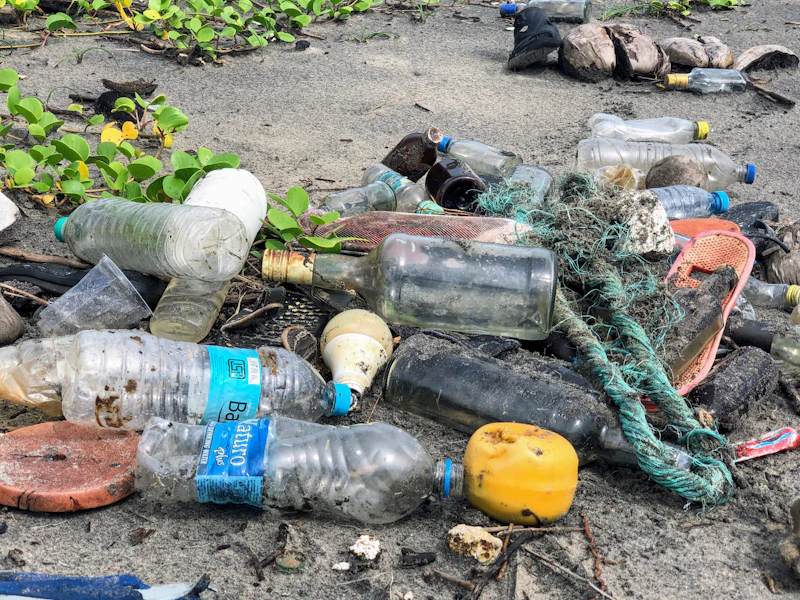
Hospitality Supply Materials: Lifecycle & Practical Disposal
Understanding the end-of-life characteristics of operational supplies helps hospitality managers choose products matching their property’s local waste infrastructure.
| Product Category | Conventional Material | Sustainable Alternative | Target Disposal Pathway | Operational Fit |
|---|---|---|---|---|
| Takeaway Clamshells | Expanded Polystyrene (EPS) | Sugarcane Bagasse Pulp | Commercial Composting / Organic Stream | Hot meals, fried dishes, heavy items |
| Beverage Service | Polyethylene-lined paper | Aqueous-coated Kraft Paper | Paper Recycling / Industrial Composting | Hot specialty coffees, chilled drinks |
| Cutlery & Utensils | Polystyrene (PS) | FSC Birchwood or CPLA | Commercial Organics or Composting | Buffets, room service deliveries, events |
| Kitchen Waste Liners | Low-Density Polyethylene | Cornstarch Bio-resin (PLA/PBAT) | Municipal Organics Collection | Scullery prep stations, organic sorting |
| Cleaning Consumables | Virgin Synthetic Sponges | Cellulose & Coconut Coir | Biodegradable Organic Breakdown | General stewarding, surface sanitizing |

Decreasing Fleet Miles Through Vendor Consolidation
Typical food service operations receive dozens of separate vehicle deliveries weekly across independent suppliers for dairy, produce, dry goods, chemicals, and paper products. This fragmented approach multiplies urban congestion and emissions.
HORECA Supply Chain Management centralizes procurement into coordinated drop schedules. Through structured vendor consolidation, our distribution partners coordinate cargo space efficiently, minimizing half-empty delivery trucks and reducing overall transport overhead.
Procurement teams achieve greater delivery predictability while lowering the site-level impact of constant receiving dock disruptions. Sourcing procedures align with sustainable operational guidance published by the Chartered Institute of Procurement & Supply (CIPS).
4 Steps in Our Environmental Supplier Assessment
Every supplier entering our preferred network undergoes a structured assessment process to verify production integrity and catalog consistency.
Origin & Feedstock Audit
We review raw input provenance, checking that agricultural and forest products come from responsibly managed cultivation zones without illegal deforested inputs.
Manufacturing Cleanliness
Facilities are checked for regulated effluent handling, energy efficiency measures, and ethical labor standards across production lines.
Durability Testing
Alternative packaging items undergo rigorous thermal and moisture threshold tests to verify they hold up under rigorous commercial kitchen conditions.
Continuous Re-Verification
Catalog batches undergo quarterly spot audits to maintain batch conformity, correct labeling, and verifiable compliance records.
Sustainable Options Across Essential Supply Categories
Environmental responsibility is embedded throughout our broader operational offerings, providing practical alternatives across key hospitality departments.
Sustainable Food Ingredients
Responsibly farmed grains, traceable tea leaves, organic dry provisions, and responsibly handled spices sourced directly from certified regional grower networks.
Explore Food Ingredients →Biodegradable Disposables & Takeaway
Water-based coated paper containers, unbleached napkins, compostable bamboo cutlery, and plant-starch portion cups built for demanding kitchen service.
Explore Disposable Supplies →Eco-Friendly Cleaning & Hygiene
Concentrated surface degreasers, phosphate-free dishwashing formulations, dispenser-dosed detergents, and protective wear designed to limit chemical waste.
Explore Cleaning & Hygiene →Responsible Custom Packaging
Soy-ink branded takeout packaging, recyclable pastry boxes, and custom drink carriers that reinforce your property’s brand identity without unrecyclable plastic films.
Explore Custom Packaging →Frequently Asked Questions on Sustainable Procurement
Common operational questions regarding performance, cost control, and material availability for hospitality supply chains.
Discuss Your Sustainable Procurement Requirements
Connect with our sourcing specialists to evaluate sustainable material substitutions, consolidated delivery routes, and recurring supply schedules for your business.